Mental health care for teens shouldn’t depend on where they live or how busy their schedule is. Telehealth is changing that reality by bringing quality mental health support directly to adolescents through their screens.
At The Teen Center, we’ve seen firsthand how telehealth benefits for adolescents go far beyond convenience. Virtual care removes real barriers, improves treatment outcomes, and makes mental health support actually accessible to the teens who need it most.
Where Geography and Schedules Stop Blocking Mental Health Care
Erasing Geographic Isolation
Geographic isolation has long been a silent killer for adolescent mental health. A teen in a rural area might face a 90-minute drive to see a therapist, while their urban peer schedules an appointment in minutes. Telehealth erases this disparity entirely. According to research from Prada et al. published in BMJ Open, telemedicine delivers meaningful travel-time and cost savings for families, especially in remote regions, making specialty care genuinely accessible for the first time. A 16-year-old in a farming community now receives the same quality mental health support as someone in the city, without the transportation burden that often keeps families from seeking help.
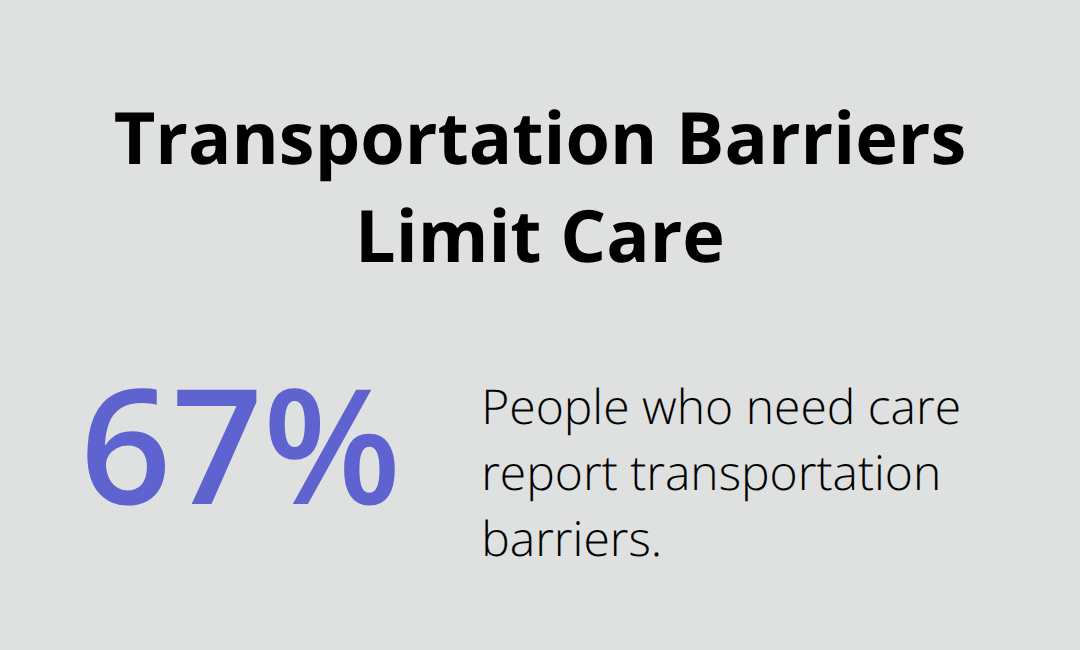
This matters because transportation barriers affect roughly 67 percent of people who need care. When that barrier vanishes, so does the excuse to delay treatment.
Compressing Wait Times for Crisis Moments
Appointment wait times for adolescent mental health care remain stubbornly long in many regions, sometimes stretching to weeks or months. Telehealth compresses these timelines significantly. A teen experiencing a mental health crisis can connect with a provider within hours rather than waiting weeks for an in-person slot. Shao et al. found in the Journal of Telemedicine and Telecare that telehealth reduces no-show rates for pediatric and adolescent appointments, particularly with phone visits, which means scheduled care actually happens. This consistency matters for medication management and ongoing treatment. When a teen’s antidepressant dosage needs adjustment or anxiety symptoms spike, frequent follow-ups become possible without logistical nightmares. Clinicians monitor changes in symptoms and medication response more closely, catching problems before they escalate.
Accessing Care Without Stigma
Home-based virtual care removes a major friction point for adolescents: the need to physically travel to an office, sign in at a reception desk, and sit in a waiting room where peers might see them. For many teens, this visibility itself prevents them from seeking help. Telehealth allows a 15-year-old to attend a therapy session from their bedroom or a quiet corner of their home, accessing care privately without stigma. Research shows that in-home telehealth reduces stigma around seeking mental health care since adolescents access services privately outside a clinic setting. This privacy advantage extends beyond convenience-it actually changes whether teens show up for appointments at all. When care fits into their existing environment rather than demanding they carve out time and travel, engagement improves dramatically.
Building Consistency Through Flexible Scheduling
Virtual sessions fit around school schedules, extracurricular activities, and work commitments in ways that in-person appointments simply cannot. A teen can attend therapy during lunch, between classes, or immediately after sports practice without losing an entire afternoon to travel time. This flexibility transforms treatment from an obstacle course into a manageable part of their week. Frequent follow-ups become realistic, allowing providers to adjust treatment plans quickly and catch warning signs early. The ability to schedule appointments within hours or days (rather than weeks) means adolescents receive timely support when they need it most, whether for medication monitoring or crisis intervention. What comes next is understanding how this accessibility translates into measurable improvements in how teens actually respond to treatment.
How Telehealth Actually Changes Treatment Outcomes
Consistency Drives Better Mental Health Outcomes
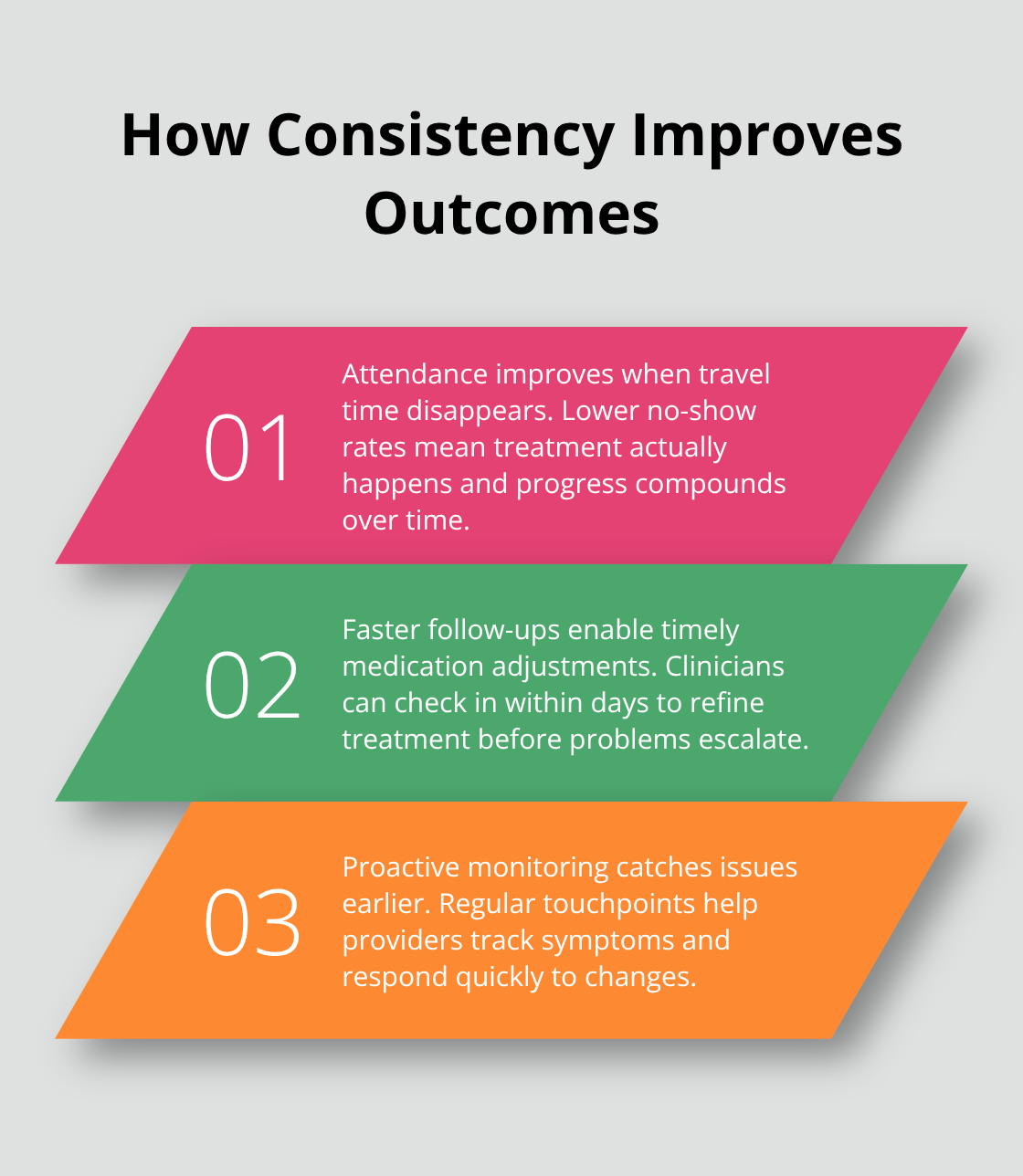
Telehealth eliminates the friction that derails adolescent mental health treatment before it starts. When a teen attends therapy from home without travel time, appointment no-shows plummet. Research shows that telehealth reduces no-show rates for pediatric and adolescent appointments, with video sessions showing 14% no-show rates compared to the typical 30–60% for in-person visits. This consistency matters enormously because treatment only works when adolescents actually show up. A therapist cannot help a teen manage depression if the appointment keeps getting canceled due to transportation issues or schedule conflicts. With virtual care, a 14-year-old on the basketball team attends their Thursday session during lunch instead of skipping it entirely.
Frequent Follow-Ups Transform Medication Management
Frequent follow-ups become realistic rather than aspirational with telehealth. For medication management specifically, this consistency transforms outcomes. A clinician monitoring a teen’s response to an antidepressant schedules check-ins within days instead of weeks, catching dose adjustments that need to happen before problems escalate. Research shows that hybrid mental health care models with digital navigators improve adolescent engagement and satisfaction with virtual care. These navigators help teens navigate scheduling, technology setup, and follow-up coordination, removing barriers that would otherwise prevent consistent treatment. Without this structure, a teen might miss a medication adjustment appointment and suffer weeks of unnecessary symptoms before reconnecting with their provider.
The flexibility of telehealth also enables providers to monitor medication response more closely than traditional quarterly or semi-annual visits allow. A teen starting an SSRI for anxiety receives check-in calls at two weeks, four weeks, and eight weeks to assess effectiveness and side effects rather than waiting months between appointments. This frequent monitoring directly improves outcomes because providers catch what is working and what needs adjustment quickly. Virtual monitoring enables providers to track treatment response across multiple conditions affecting adolescents. The principle applies equally to mental health medication management.
Accountability Improves Adherence and Outcomes
When treatment plans include scheduled follow-ups at predictable intervals that fit into a teen’s life, adherence improves. A 16-year-old taking medication for depression actually takes it consistently when they have regular check-ins confirming it is working and their provider is paying attention. This accountability, combined with the ability to adjust treatment quickly, creates momentum that in-person-only care struggles to match. Adolescents on telehealth-supported medication plans show better symptom improvement, fewer medication switches, and higher rates of staying engaged with treatment over time. The outcome is measurable and significant: virtual care removes the logistical obstacles that prevent teens from receiving the consistent support their mental health treatment requires. This foundation of reliability and frequent contact sets the stage for addressing the concerns that still hold some families back from embracing virtual care entirely.
Overcoming Common Concerns About Virtual Mental Health Care
Building trust and connection through screen-based therapy
Skepticism about screen-based mental health care often centers on whether a therapist can actually build meaningful connection through a screen. This concern deserves a direct answer: yes, but only if the setup is intentional. Research confirms that digital health tools for adolescents and young people offer clear benefits in better access and engagement, though success requires clinician training in digital therapeutics. The difference between a productive virtual session and a frustrating one comes down to specific implementation details. A therapist trained in telehealth communication positions the camera at eye level, minimizes distractions in their own background, and creates consistent routines that signal to a teen this space is serious and safe. A 15-year-old struggling with anxiety notices these details. They recognize when a provider is fully present versus multitasking off-screen. The connection builds through reliability and attention, not through physical proximity. What matters most is that the therapist understands adolescent development, meets the teen where they are emotionally, and follows through consistently-all possible via video. In fact, a teen may feel safer disclosing sensitive information from their own room than sitting in an unfamiliar clinic office. Providers who succeed with virtual care treat the medium as a feature, not a limitation, and design sessions accordingly with attention to pacing, check-ins, and follow-up documentation that keeps teens engaged between appointments.
Ensuring Privacy and Confidentiality in Home Settings
Privacy in home-based telehealth requires active management, not wishful thinking. A teen cannot have a confidential therapy session if parents listen through a closed door or siblings interrupt repeatedly. Practical solutions matter here. Before the first appointment, work with families to identify a private space-a bedroom with a lock, a basement corner, even a parked car if necessary-where the teen can speak freely for 45 minutes without interruption.
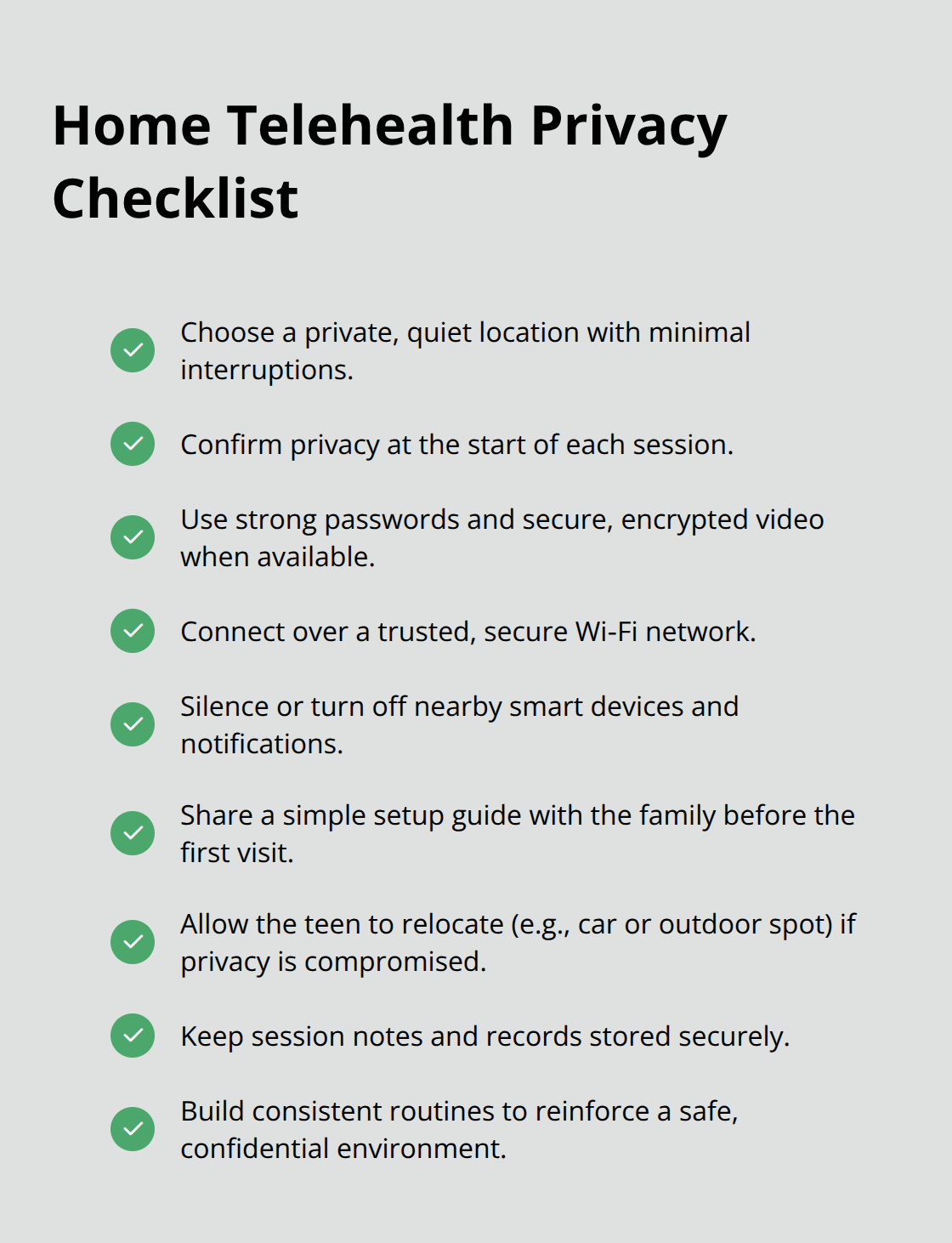
Many providers send families a setup guide that normalizes this conversation. During the session, clinicians should explicitly ask whether the teen has privacy and adjust the conversation if they do not. Some teens need permission to step outside or find a quiet spot, and hearing a provider say this aloud removes awkwardness. On the technology side, ensure the telehealth platform meets privacy standards and that patients turn off nearby electronic devices and conduct sessions over secure Wi-Fi networks. Require strong passwords, enable encrypted video when available, and keep session records secure.
Addressing Technology Requirements and Digital Literacy
Digital literacy gaps matter significantly for successful virtual care. A 13-year-old who has never used video conferencing software needs clear instructions before their first appointment-not during it. Providers using secure health portals should send step-by-step setup guides with screenshots, practice call options, and a support number for technical questions. When families encounter poor internet connections or device issues, outcomes suffer. Solutions include offering phone-only sessions as an alternative when video fails, providing device access programs for families without reliable equipment, and building in 10-minute buffers before appointments for technical troubleshooting. The reality is that removing logistical friction matters as much as the therapy itself. Telehealth platforms that prioritize ease of use and offer multiple contact methods (video, phone, secure messaging) help adolescents stay engaged with treatment regardless of their technical comfort level or equipment limitations.
Final Thoughts
Telehealth benefits for adolescents extend far beyond convenience-virtual care removes the barriers that have historically kept teens from accessing mental health support, whether geographic distance, transportation limitations, or stigma. When a teen attends therapy from home without losing an afternoon to travel, when medication adjustments happen within days instead of months, and when crisis support arrives within hours rather than weeks, treatment outcomes improve measurably. Consistency drives better mental health care, and telehealth makes consistency possible.
The shift toward virtual care represents a fundamental change in how adolescent mental health services reach the teens who need them most. Rural communities gain access to specialists they previously could not reach, busy schedules no longer become excuses to delay treatment, and teens who felt stigmatized by in-person visits now engage with providers from spaces where they feel safe. These are not minor conveniences-they are structural changes that determine whether adolescents actually receive care or continue suffering in silence.
Moving forward means recognizing that telehealth functions as a permanent expansion of what adolescent mental health care can be, not a temporary pandemic solution. Families should expect virtual options as a standard part of treatment, providers should continue investing in the training and infrastructure that makes screen-based therapy effective, and policymakers should maintain reimbursement support for telehealth visits while prioritizing broadband access in underserved communities. The Teen Center combines individualized treatment plans, family involvement, and statewide telehealth access to help adolescents build resilience and achieve emotional and academic stability-whether through in-person sessions or virtual appointments, our evidence-based approach meets teens where they are and removes the obstacles that stand between them and the care they deserve.