Parenting a teenager comes with real challenges, especially when it comes to their mental health. At The Teen Center, we’ve created this guide to give you practical parents resources for teens that actually work.
You’ll learn how to talk with your teen about what they’re going through, spot warning signs early, and know when to bring in professional help. This isn’t theory-it’s actionable advice you can use today.
What Mental Health Challenges Are Teens Actually Facing Right Now?
An estimated 31.9% of adolescents had any anxiety disorder, and that represents only part of the picture.
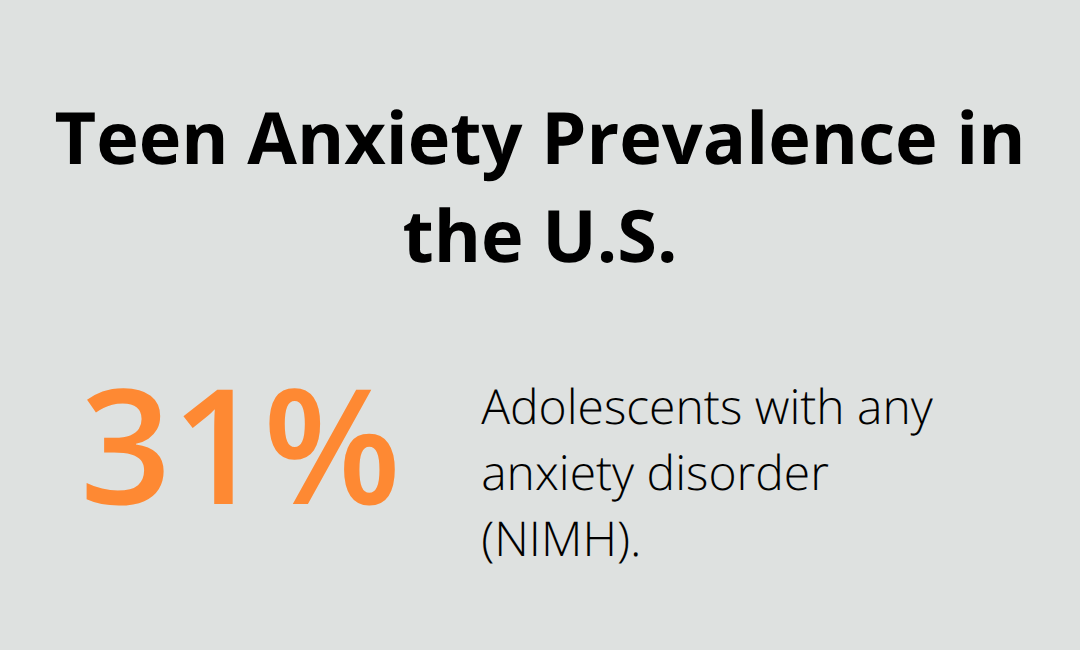
Anxiety in teens manifests differently than in adults-it appears as excessive worry about everyday events, social situations, panic attacks, or obsessive patterns. Your teen might worry intensely about school performance, friendships, or their online presence rather than displaying the classic anxiety symptoms you’d recognize in yourself. Untreated teen anxiety directly damages academic performance, shrinks their social world, and creates physical health problems that compound over time. Beyond anxiety, depression, ADHD, eating disorders, and substance use present real challenges many families face. The encouraging news is that early recognition and intervention actually work. When you catch these issues early, you can meaningfully reduce long-term negative consequences. The challenge for parents lies in separating normal teen stress-like exam anxiety or breakup sadness-from clinically significant mental health conditions that require professional attention.
Social Media Rewires Teen Brains in Real Time
Social media and gaming create dopamine-driven reinforcement loops that directly increase stress, anxiety, depression, and body image issues in teens. This isn’t theoretical harm; it’s measurable brain chemistry. The constant comparison culture on platforms like Instagram and TikTok, combined with the unpredictable reward of likes and comments, keeps teens in a state of low-level activation that never lets their nervous system rest. Excessive screen use also sabotages sleep, which is already difficult during adolescence due to biological shifts in circadian rhythms. Poor sleep then amplifies anxiety and depression, creating a vicious cycle.
Peer Pressure Now Operates 24/7
Peer pressure has evolved beyond what happens at school. It occurs around the clock through group chats, social media comments, and viral trends that move faster than you can track. Teens feel pressure to maintain a curated online image while managing real-world social hierarchies simultaneously. This dual pressure creates exhaustion and constant self-monitoring that interferes with their ability to relax and be themselves.
What You Can Do About Screen Time
Set clear electronic curfews and keep devices out of bedrooms to protect sleep quality. Monitor screen time not through surveillance but through open conversations about what they’re seeing online and how it makes them feel. These conversations reveal what content triggers anxiety or comparison, allowing you to address the root cause rather than just the symptom.
How to Actually Talk With Your Teen About Mental Health
Your teen won’t open up because you ask the right question once. They open up through consistent, calm conversations where they know you won’t judge them or immediately try to fix everything. Start these conversations during low-pressure moments like car rides, family meals, or walks rather than sitting them down for a formal talk, which triggers defensiveness. Use open-ended questions that invite deeper discussion: instead of asking if they’re stressed about school, ask them to tell you more about how things are going.
Listen With Real Empathy
When your teen responds, practice active listening by validating their feelings, summarizing what you heard, and following up with genuine curiosity rather than advice. Research on neural synchrony shows that when you listen with real empathy, your brain activity actually synchronizes with theirs, strengthening your connection. The moment you show judgment or launch into a lecture, they’ll shut down. That’s not weakness on their part; it’s self-protection.
If your teen mentions anxiety or depression directly, avoid minimizing it with phrases like everyone feels that way. Instead, acknowledge what they shared, ask what they need from you right now, and listen to the answer without interrupting.
Set Boundaries That Maintain Connection
Setting boundaries doesn’t mean creating distance. It means being clear about what you can and cannot do while staying emotionally available. If your teen struggles with anxiety that keeps them home from school, you might say: I love you and I’m here to help, and I’m also going to talk with a professional because this is bigger than what I can handle alone. This approach respects their autonomy while making clear that professional support isn’t punishment.
Stay Calm During Difficult Conversations
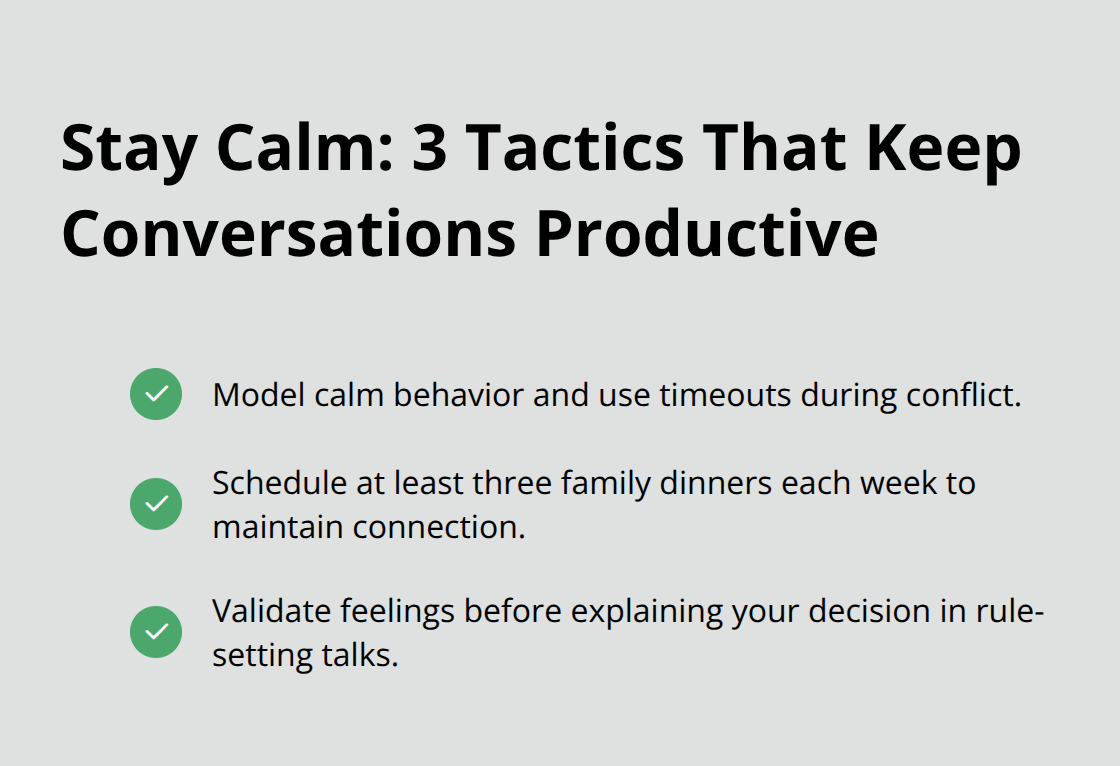
During heated conversations, model calm behavior yourself and use timeouts to cool down rather than pushing through conflict. Schedule at least three family dinners per week to maintain consistent connection, and during rule-setting conversations, actively validate their feelings before explaining your decision.
Ground Conversations in Facts
When discussing difficult topics like depression or substance use, rely on credible resources from the National Institute of Mental Health or the American Academy of Child and Adolescent Psychiatry to ground your conversation in facts rather than fear. This approach builds trust because your teen sees you taking their concerns seriously enough to research them properly.
Now that you understand how to communicate effectively with your teen, the next step involves recognizing when their struggles exceed what conversations and home support can address-and knowing exactly what to do when that moment arrives.
When Your Teen Needs Professional Support
Knowing when to call a professional is harder than it should be. Parents often wait too long, hoping the problem resolves itself, or they act too quickly over normal teenage moodiness. Nearly one-third of adolescents experience an anxiety disorder, yet many never receive treatment. The line between typical teen stress and something requiring intervention comes down to duration, intensity, and functional impact. If your teen withdraws from activities they once enjoyed, their grades drop significantly, sleep patterns shift dramatically, physical complaints emerge without medical cause, or they express hopelessness about the future, professional help is warranted. The key distinction: normal stress is situational and temporary, while clinical anxiety or depression persists across multiple areas of life and doesn’t improve with standard support.
Recognize When Intervention Becomes Necessary
Untreated mental health conditions compound over time, making early intervention genuinely effective rather than optional. When you notice patterns lasting more than two weeks, or when your teen’s anxiety prevents them from attending school or seeing friends, that’s your signal to act. Watch for withdrawal from friends, dramatic grade changes, sleep disruption, unexplained physical complaints, or statements about hopelessness.
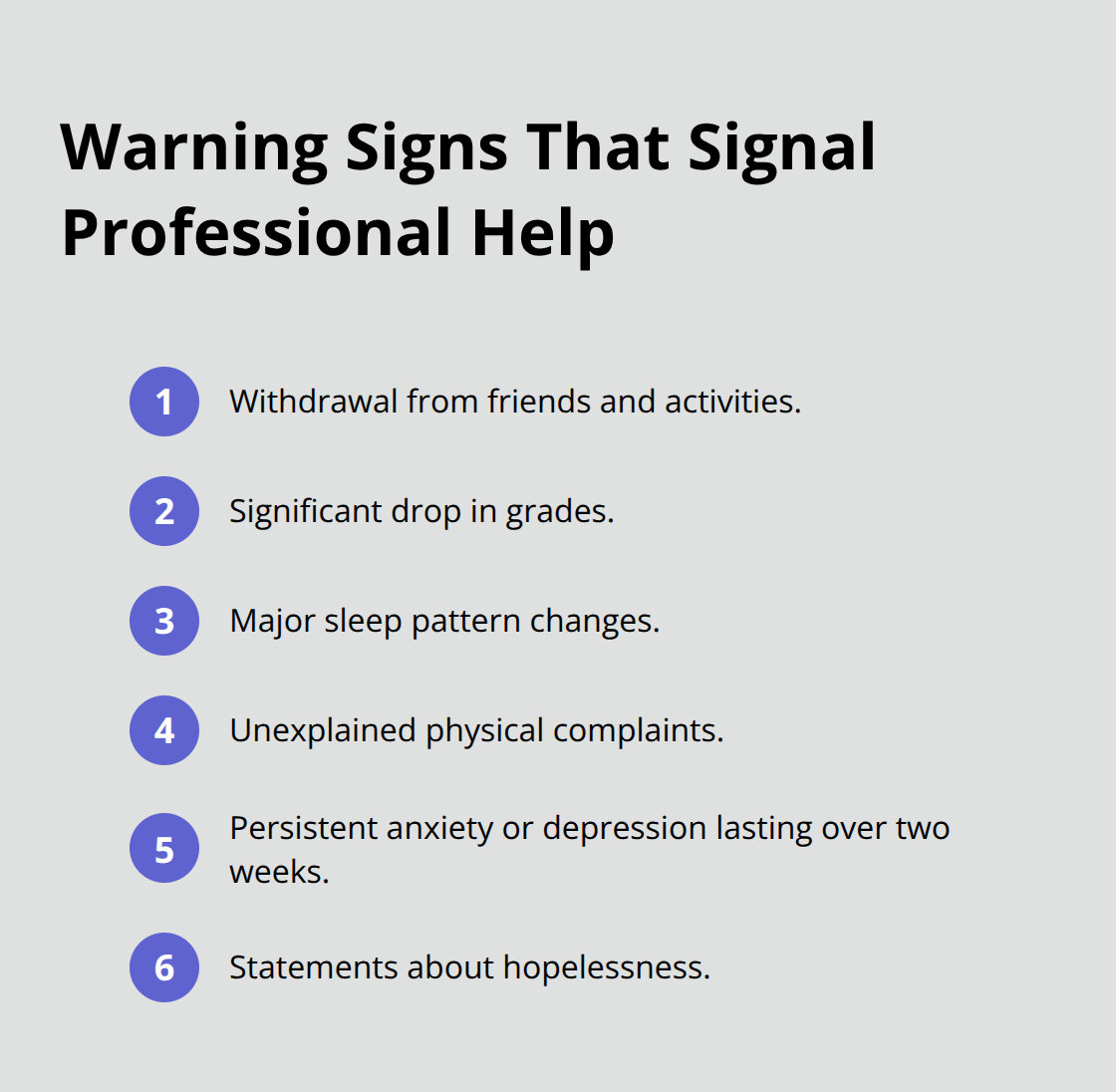
These signs tell you that conversations and home support alone won’t address what your teen faces.
Find the Right Provider for Your Teen
Finding the right provider requires knowing what options exist and what each one offers. The American Academy of Child and Adolescent Psychiatry maintains CAP Finder, a tool to locate board-certified child and adolescent psychiatrists in your area who have specific training in teen mental health rather than general adult psychiatry. Psychiatrists can prescribe medication and manage treatment, while therapists and counselors provide talk therapy and coping strategies. Many families benefit from both simultaneously.
When you contact a provider, ask directly about their experience treating the specific condition your teen faces, whether they involve parents in treatment, and what their approach to confidentiality looks like. Teens have privacy rights in mental health care, and understanding these boundaries upfront prevents conflict later.
Explore All Available Treatment Options
Telepsychiatry has expanded access dramatically, making treatment available even in rural areas or for families with scheduling constraints. The American Academy of Child and Adolescent Psychiatry also provides practical guidance through resources like Questions to Ask Before Psychiatric Hospitalization and Psychiatric Medication for Children and Adolescents if your teen’s situation requires more intensive support. If cost concerns you, SAMHSA’s FindTreatment locator helps identify community mental health centers offering sliding scale fees.
Access Specialized Care When Needed
The Teen Center delivers specialized, evidence-based mental health care for adolescents ages 12–17, offering intensive outpatient programs, individual and family therapy, medication management, crisis support, and academic coordination both in person and via telehealth. This combination of individualized treatment plans, family involvement, and statewide telehealth access helps teens build resilience and develop the tools to work through trauma and adversity while achieving emotional and academic stability.
Final Thoughts
Supporting your teen’s mental health starts at home with consistency, unconditional love, and clear expectations. Research shows that affectionate parenting strengthens your teen’s brain development and builds resilience against stress and anxiety. Create a home environment where your teen knows they can talk about difficult feelings without judgment, where family dinners happen regularly, and where sleep, nutrition, and movement receive priority.
Taking action on what you’ve learned means moving from awareness to implementation. Start small by having one open conversation this week during a car ride or meal, setting one clear boundary around screen time, or noticing one warning sign you might have missed before. These individual steps compound into meaningful change over time, and if you recognize that your teen needs professional support, contact a provider this week rather than waiting.
Parents resources for teens extend far beyond what you can provide alone-the National Institute of Mental Health, the American Academy of Child and Adolescent Psychiatry, and SAMHSA’s FindTreatment locator connect you with qualified professionals in your area. If your teen’s situation requires specialized, evidence-based care, The Teen Center offers intensive outpatient programs, individual and family therapy, medication management, and crisis support for adolescents ages 12–17, with both in-person and telehealth options available statewide.