
Mental health care for teens shouldn’t depend on where they live or how busy their schedule is. Yet across the country, thousands of young people face real barriers-from rural areas with few providers to transportation challenges that make appointments impossible.
Statewide telehealth services for teens are changing this. We at The Teen Center believe virtual care removes these obstacles and opens doors to treatment that was previously out of reach.
Why Teens in Rural Areas Struggle to Find Mental Health Care
Geographic Scarcity of Mental Health Providers
Rural teens face a stark reality: mental health providers simply do not exist where they live. According to data from the Health Resources and Services Administration, over 60 million Americans live in areas designated as mental health professional shortage areas, with rural regions bearing the heaviest burden. In Wyoming, some counties have no psychiatrists at all, forcing families to drive hours for a single appointment. This geographic scarcity means teens in underserved communities either go without treatment or their families absorb enormous time and financial costs just to access basic care.
Transportation Creates Impossible Scheduling Conflicts
Transportation barriers compound this problem immediately. A teen in a rural district cannot easily attend weekly therapy sessions when the nearest provider sits 90 minutes away. School schedules, work shifts, and family responsibilities create competing demands that make in-person appointments nearly impossible to maintain consistently.
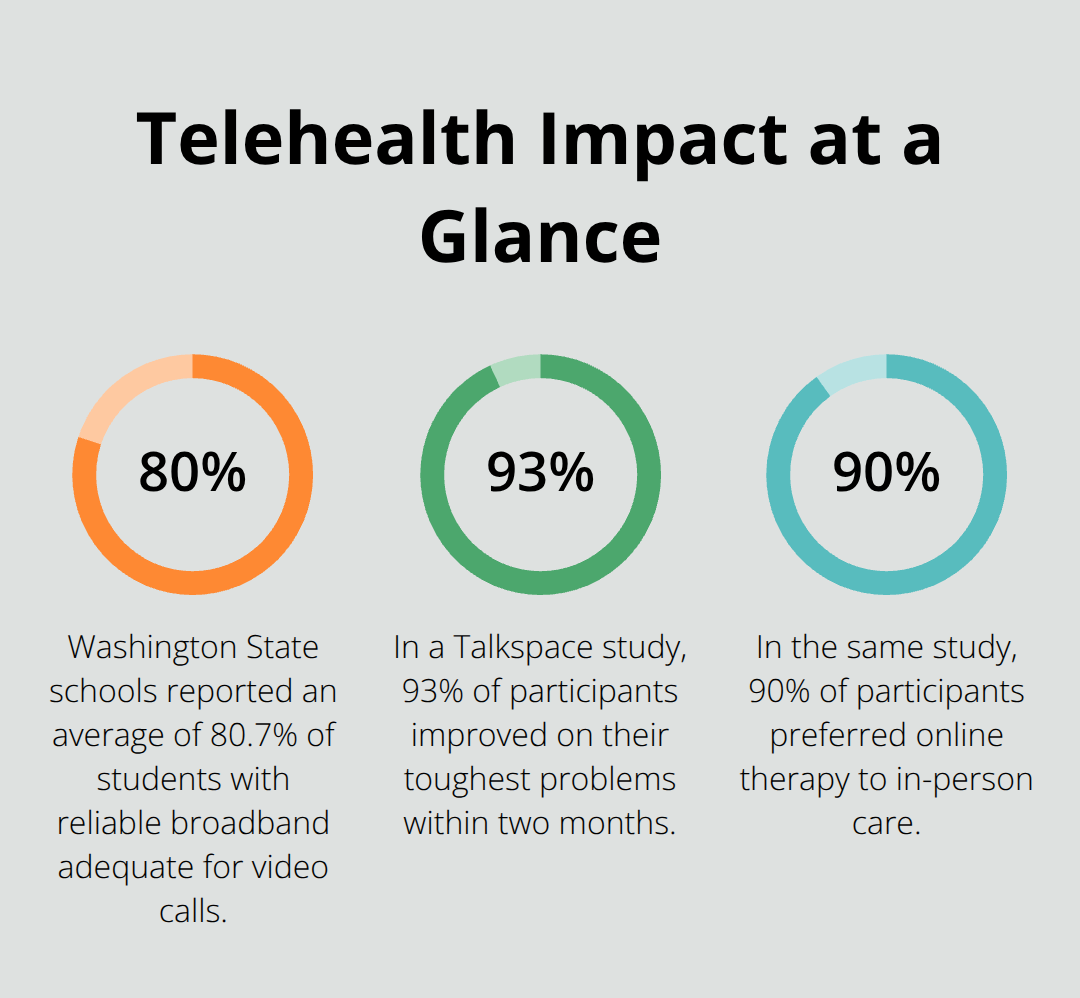
Research from Washington State public school districts surveyed in spring 2020 revealed that reliable broadband adequate for video calls reached an average of 80.7% of students with access statewide, with rural school districts reporting lower rates compared to urban areas, highlighting the infrastructure gaps that existed even before considering transportation logistics.
Stigma and Limited Provider Choice
Stigma adds another layer of friction that keeps teens away from care entirely. In smaller communities where everyone knows each other, seeking mental health treatment can feel exposing. A teen worried about running into a classmate or teacher in a provider’s waiting room may avoid help altogether rather than risk social consequences. Finding the right provider match matters tremendously for engagement, yet rural teens have almost no choice in who treats them. When only one therapist serves your entire county and that person does not specialize in your specific needs, teens and families face an impossible decision: accept a poor fit or abandon treatment.
How These Barriers Intersect
These barriers do not exist in isolation. They stack on top of each other, creating systems where rural and underserved teens are systematically excluded from the mental health care they need. Statewide telehealth services address each of these obstacles head-on, offering a pathway to consistent, accessible care regardless of geography or schedule constraints.
How Statewide Telehealth Brings Real Mental Health Care to Your Community
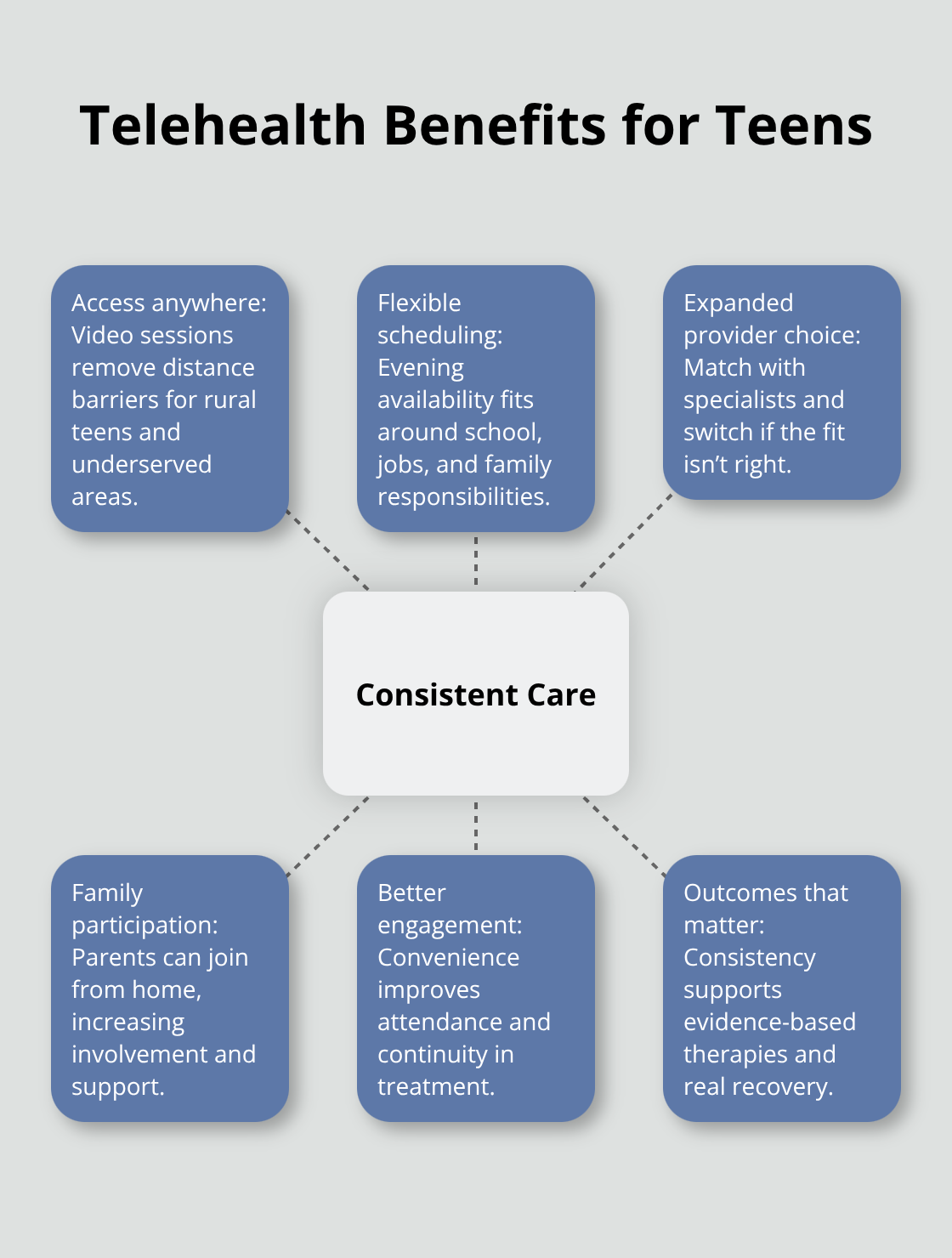
Telehealth eliminates the distance problem entirely. A teen in rural Wyoming no longer waits months for an appointment with the nearest psychiatrist 90 minutes away. Instead, they connect with a licensed therapist via video within days. Wyoming Behavioral Institute operates a statewide telehealth intensive outpatient program for adolescents aged 14–17, running sessions three evenings a week from 4 p.m. to 7 p.m. on Monday, Wednesday, and Thursday. Participants engage in nine hours of group therapy weekly, supplemented with individual and family sessions when needed. The program uses HIPAA-compliant video accessible on phones, tablets, or computers, meaning a teen can attend from home, a school office, or anywhere with internet. This matters because it eliminates the logistics nightmare that previously blocked access. A student no longer sacrifices class time or work shifts to drive across the state. Parents no longer coordinate childcare around impossible appointment windows.

Therapy That Fits Your Life, Not the Other Way Around
Statewide telehealth programs address scheduling conflicts head-on because virtual sessions eliminate commute time. A teen working a part-time job after school can attend a 4 p.m. therapy session without leaving work early. A student struggling with anxiety can participate in group therapy during evening hours that fit their family’s rhythm. This flexibility directly improves attendance rates. Research shows that telehealth adoption continues to grow as a practical care tool. For mental health specifically, the convenience factor drives engagement. When treatment fits your schedule instead of forcing you to rearrange your life, you actually show up and stay committed. Wyoming Behavioral Institute’s evening-focused schedule reflects this reality, recognizing that teens have school, jobs, and responsibilities that cannot pause for appointments.
Choice and Continuity Replace Geographic Limitations
Telehealth expands the provider network dramatically. A rural teen no longer settles for the one therapist available locally. They access specialists trained in adolescent care, trauma treatment, eating disorders, or LGBTQIA+ issues. Talkspace operates a nationwide network across all 50 states with therapists trained specifically for teen-focused expertise. Most insured members pay zero copay for teen therapy through major insurers including Aetna, Anthem, Cigna, Optum, and Blue Cross Blue Shield. Teens typically match with a licensed therapist within 48 hours. If the first therapist does not feel like the right fit, switching to another is straightforward and supported. This choice matters enormously for engagement. A teen struggling with trust can find a provider who specializes in adolescent relationships. Someone processing trauma can work with a therapist trained in evidence-based trauma treatment. Geographic boundaries no longer limit who can help.
Access Extends Beyond Traditional Therapy Hours
Evening and weekend availability transforms how teens access care. Many statewide programs recognize that teens balance school, work, and family obligations that make daytime appointments impossible. Virtual platforms operate on schedules that accommodate these realities, not the other way around. A teen can participate in therapy sessions after school ends or during evening hours when their family can support their treatment. This scheduling flexibility removes a major reason teens abandon care midway through treatment. When a program works around your life instead of demanding you work around it, consistency improves dramatically.
What Comes Next: Measuring Real Outcomes
Removing barriers to access represents only the first step. The real question becomes whether statewide telehealth actually improves how teens feel and function. Treatment engagement matters little if the care itself does not produce measurable changes in mental health, academic performance, and family relationships. The next section examines what happens when teens actually stay in treatment and receive consistent, specialized care.
Does Telehealth Actually Improve Teen Mental Health
Removing barriers to access means nothing if treatment itself fails to produce real change. The evidence shows that teens who stay in telehealth treatment demonstrate measurable improvements across mental health, academics, and family functioning. An internal Talkspace study found that 93% of participants improved on their toughest problems within two months, and 90% preferred online therapy to traditional in-person care. This preference matters because it translates directly to attendance. When teens actually show up consistently, therapists can deliver evidence-based treatments like Cognitive Behavioral Therapy and Dialectical Behavior Therapy that require sustained engagement.
How Consistent Treatment Produces Real Mental Health Gains
Wyoming Behavioral Institute’s intensive outpatient program delivers nine hours of group therapy weekly, supplemented with individual and family sessions. This intensive structure works precisely because telehealth removes the scheduling friction that previously caused teens to drop out after two or three sessions. A teen attending evening sessions from home attends more sessions total than a rural teen driving 90 minutes each way to an in-person appointment. More sessions mean deeper work on the actual problems driving depression, anxiety, trauma, and self-harm. Treatment intensity matters. Teens who participate in nine hours of weekly therapy plus individual sessions develop stronger coping skills than those who attend sporadic appointments. The consistency that telehealth enables transforms treatment from a surface-level intervention into genuine mental health recovery.
Academic Performance Stabilizes When Treatment Becomes Accessible
Academic performance improves when mental health treatment becomes consistent and accessible. A teen struggling with anxiety who previously missed school to cope now participates in therapy during evening hours that fit their schedule, then shows up to classes the next day. Programs specifically designed to help teens stay connected to school and work activities during treatment recognize that mental health exists within the context of a teen’s actual life. School attendance increases. Test scores improve. Classroom participation strengthens. These changes happen not because telehealth is magical but because teens finally receive the consistent care they need without sacrificing their education.
Family Involvement Strengthens Through Virtual Sessions
Family involvement strengthens through telehealth because parents participate in sessions from home without needing childcare or time off work. When a parent attends family therapy from their living room instead of taking an afternoon off to drive across the state, they show up more often. Research on chronic disease management shows that scheduled, proactive telehealth care produces stronger outcomes than reactive approaches. Mental health follows the same pattern.
A teen receiving consistent weekly therapy plus family sessions develops concrete coping skills and emotional regulation tools that persist long after treatment ends. Parents learn how to support their teen’s recovery. Siblings understand what their brother or sister experiences. Family relationships shift from conflict and confusion toward genuine connection and mutual support.
Treatment Goals Shift From Access to Outcomes
The goal of statewide telehealth programs extends beyond simply providing access. These programs deliver intensive, evidence-based care that produces measurable changes in how teens feel, function at school, and relate to family members. A teen no longer settles for occasional appointments with a provider who does not specialize in adolescent care. Instead, they receive targeted treatment from specialists trained in the specific issues they face (trauma, eating disorders, LGBTQIA+ concerns, or other challenges). This specificity matters enormously. Treatment becomes personalized rather than generic. Outcomes improve because the care itself matches what the teen actually needs.
Final Thoughts
Statewide telehealth services for teens eliminate the barriers that once kept rural and underserved young people from accessing mental health care. Distance, scheduling conflicts, limited provider choice, and stigma no longer have to block teens from receiving specialized treatment from licensed therapists trained in adolescent mental health. Virtual platforms deliver evidence-based therapy on phones, tablets, and computers, with evening and weekend sessions that accommodate school and work schedules without requiring families to sacrifice time and money on transportation.
Access translates directly to outcomes when teens receive consistent, specialized care. Intensive outpatient programs deliver nine hours of weekly therapy plus individual and family sessions, producing measurable improvements in emotional stability, academic performance, and family relationships. Teens who stay in treatment show real change because telehealth removes the logistics that previously caused them to drop out after a few sessions.
Moving forward requires sustained commitment to broadband expansion, device access, and reimbursement policies that support virtual care across your state. The Teen Center delivers specialized, evidence-based mental health care for adolescents ages 12–17 through intensive outpatient programs, individual and family therapy, medication management, and crisis support both in person and via telehealth, helping teens build resilience and achieve emotional and academic stability.