Your teen’s first telehealth appointment can feel overwhelming. There are forms to fill out, questions to answer, and new technology to navigate.
At The Teen Center, we’ve guided thousands of families through telehealth intake steps. This guide walks you through exactly what to expect, how to prepare, and what happens after that first call ends.
What Happens During Your First Telehealth Intake
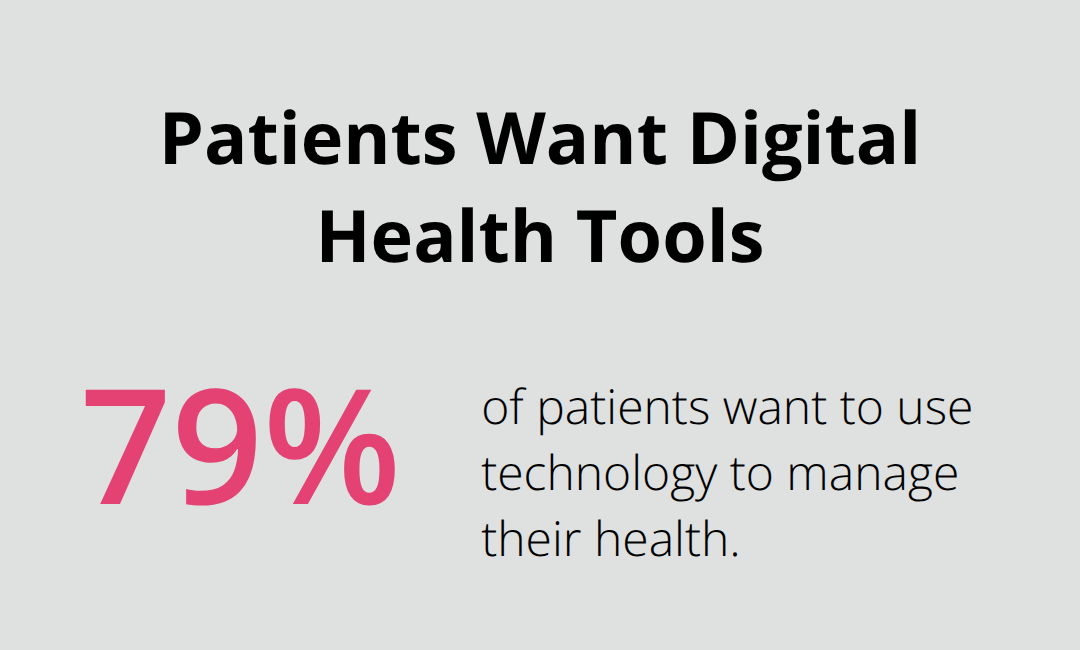
Your teen’s first telehealth intake follows a structured path that typically runs 45 to 60 minutes. The appointment starts with identity verification, which protects your teen’s privacy and medical records. Your provider will then review your teen’s medical history, current medications, and known allergies before moving into the reason for the visit. This isn’t random questioning-providers use this information to understand your teen’s baseline health and spot any potential interactions or complications. About 79% of patients want to use technology to manage their health, which means your provider expects you to arrive prepared with details. Bring a list of current medications, any previous diagnoses, and a brief timeline of when symptoms started.
If your teen has visible symptoms like a rash or injury, take photos beforehand to help the provider assess what they’re seeing on screen. The provider will ask open-ended questions about what’s troubling your teen, then move into a focused discussion about specific symptoms, their frequency, and how they affect daily life at school and home. This is where honesty matters most-providers can’t help if they’re missing pieces of the picture.
Why Your Teen’s Information Shapes Their Care
The information collected during intake becomes the foundation for your teen’s entire treatment plan. Providers use this data to identify patterns, rule out competing diagnoses, and spot red flags that might need immediate attention or referral to in-person care. A teen with severe anxiety symptoms requires different support than one with mild stress, and the intake process is how providers make that distinction. Your teen’s medication history is especially important because some drugs interact with others or can worsen certain mental health conditions. If your teen has experienced trauma or abuse, sharing this during intake helps the provider tailor therapy approaches that actually work. The intake process also determines whether telehealth is the right fit for your teen’s needs or whether in-person evaluation is necessary first. Some situations-like active suicidal thoughts or severe behavioral crises-require immediate in-person assessment, and your provider will make that call based on intake information.
How Remote Intake Differs from Walking Into an Office
Telehealth intake removes certain barriers but adds others. Your teen avoids travel, crowded waiting rooms, and unfamiliar buildings, which can reduce anxiety for some teens. However, your provider cannot conduct a full physical exam or observe your teen’s body language as easily through a screen. This means your teen needs to be more verbal about symptoms and sensations. If your teen struggles to articulate feelings, the provider will ask more targeted questions to fill gaps. Your home environment also becomes part of the intake-your provider might notice things like noise levels, distractions, or caregiver presence that affect your teen’s comfort and openness. Try to create a private, quiet space for the call so your teen feels safe sharing sensitive information. The provider also cannot hand your teen paperwork or show visual aids as naturally, so expect more verbal explanations and follow-up materials sent via email or your patient portal after the appointment. These differences mean your teen plays a more active role in communicating their experience, which sets the tone for how your provider will support them moving forward.
Preparing Your Teen for Telehealth Intake
Preparation separates a smooth intake from a frustrating one. Your teen’s first appointment works best when you arrive with specific information organized and ready. Start by gathering your teen’s current medication list, including dosages and how often they take each one. If your teen has seen another provider recently, request those notes or records and have them accessible during the call. Write down any allergies, past diagnoses, and the timeline of when current symptoms started. Vague timing like “a few months ago” wastes appointment minutes; specific dates like “started two weeks after school began” help your provider spot patterns faster. Take photos of any visible symptoms beforehand, whether that’s a rash, injury, or physical sign your teen wants the provider to see. Have your insurance card handy and know your copay or whether this visit is covered. Your provider will also ask about your teen’s current school situation, sleep habits, appetite changes, and how symptoms affect their relationships. Write down a few notes about these areas beforehand so you won’t forget details under pressure during the call.
Create a Distraction-Free Space
Your teen’s environment directly impacts what the provider hears and sees. Choose a quiet room with a closed door where your teen can speak freely without siblings, roommates, or other family members listening. Background noise frustrates providers and can make teens reluctant to share sensitive information. Test your internet connection at least 24 hours before the appointment, not five minutes beforehand. A weak connection means dropped audio, frozen video, or dropped calls that interrupt the flow. Use a device with a working camera and microphone; phone cameras work fine, but make sure the lighting is natural or comes from in front of your teen, not from behind.
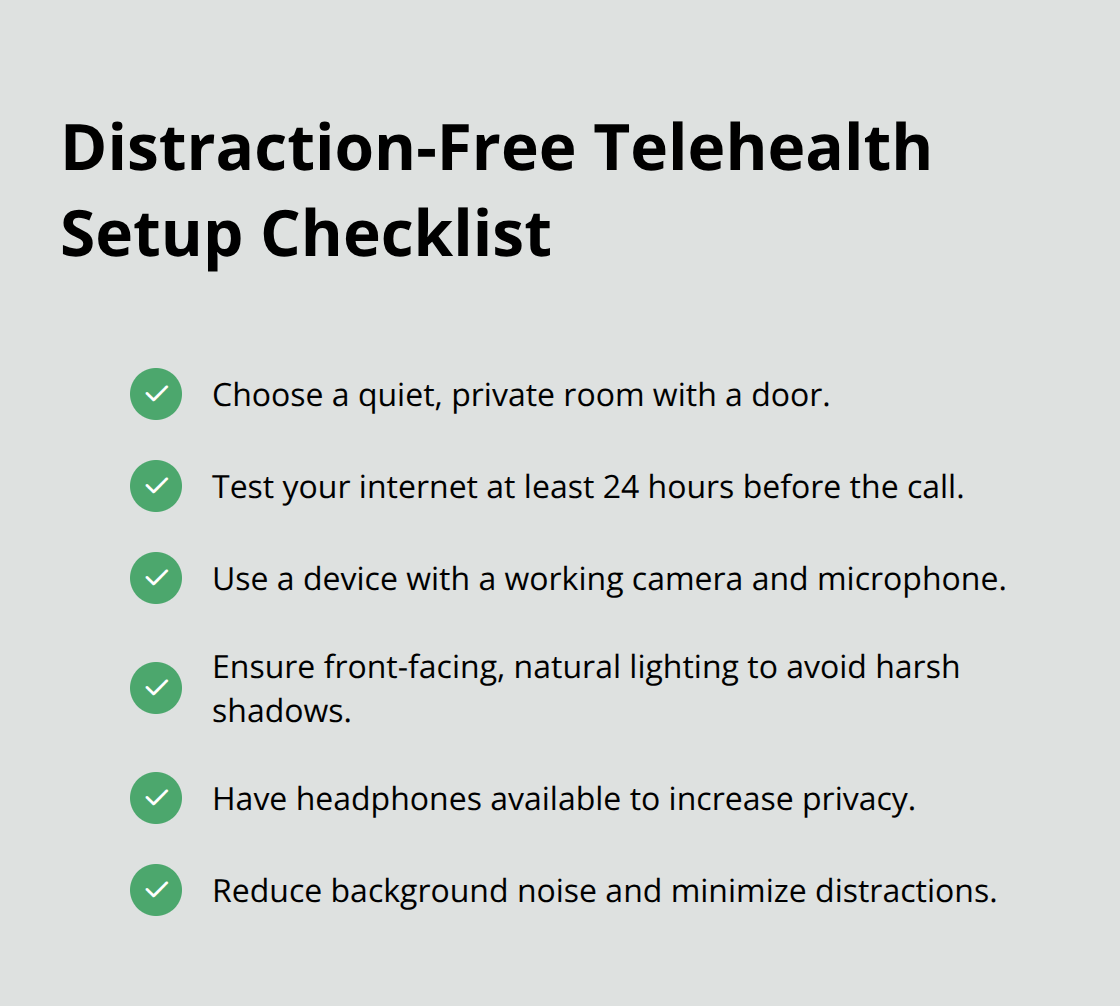
Harsh shadows or poor lighting make it harder for your provider to observe your teen’s facial expressions and nonverbal cues. Have headphones available if your teen prefers them; they reduce background noise and increase privacy. If your teen tends to feel anxious before appointments, start the call from a comfortable spot-not a formal desk setup-to ease some tension. Your provider understands this is a home environment, not a clinic, so authenticity matters more than perfection.
Explain What Happens During the Intake Call
Your teen should know this appointment isn’t a therapy session yet; it’s an information-conversation. Explain that the provider will ask questions about their health history, current symptoms, and how they’re feeling at school and home. Some teens worry they’ll face judgment or that sharing negative thoughts means something is wrong with them. Reassure your teen that providers have heard similar concerns from hundreds of other teens and that honesty is what helps them provide real support. Mention that the appointment might feel awkward at first because your teen is talking to a stranger through a screen, and that’s normal. If your teen has never done telehealth before, do a practice run: open the video platform, test the camera and microphone, and show your teen how to join the call. Some teens feel more comfortable when they understand the technology beforehand. Let your teen know they can ask questions during the appointment and that the provider is there to help, not to criticize. If your teen has experienced trauma or has significant anxiety about mental health appointments, share this with your provider during intake so they can adjust their approach. Your teen doesn’t need to be perfect or have all the answers ready; the provider’s job is to listen, ask clarifying questions, and piece together what’s actually happening.
Help Your Teen Feel in Control
Anxiety often drops when teens feel they have some control over what happens next. Walk your teen through the appointment flow: identity verification comes first, then medical history questions, then a conversation about current concerns. Knowing the sequence removes surprises. Ask your teen what worries them most about the call and address those concerns directly. If your teen fears being forced into treatment they don’t want, explain that intake is about understanding their situation, not making decisions for them. If your teen worries about confidentiality, clarify what information you’ll hear and what stays between your teen and the provider (this varies by age and situation, so check your provider’s policies beforehand). Let your teen choose the room where the call happens, if possible. Small choices like this shift the dynamic from something being done to your teen toward something your teen participates in. Your teen should also know they can request a break during the appointment if they feel overwhelmed. Providers expect this and will work with your teen’s pace. The more your teen feels like an active participant rather than a passive subject, the more honest and engaged they’ll be during the intake conversation.
What Happens During Your Teen’s Intake Appointment
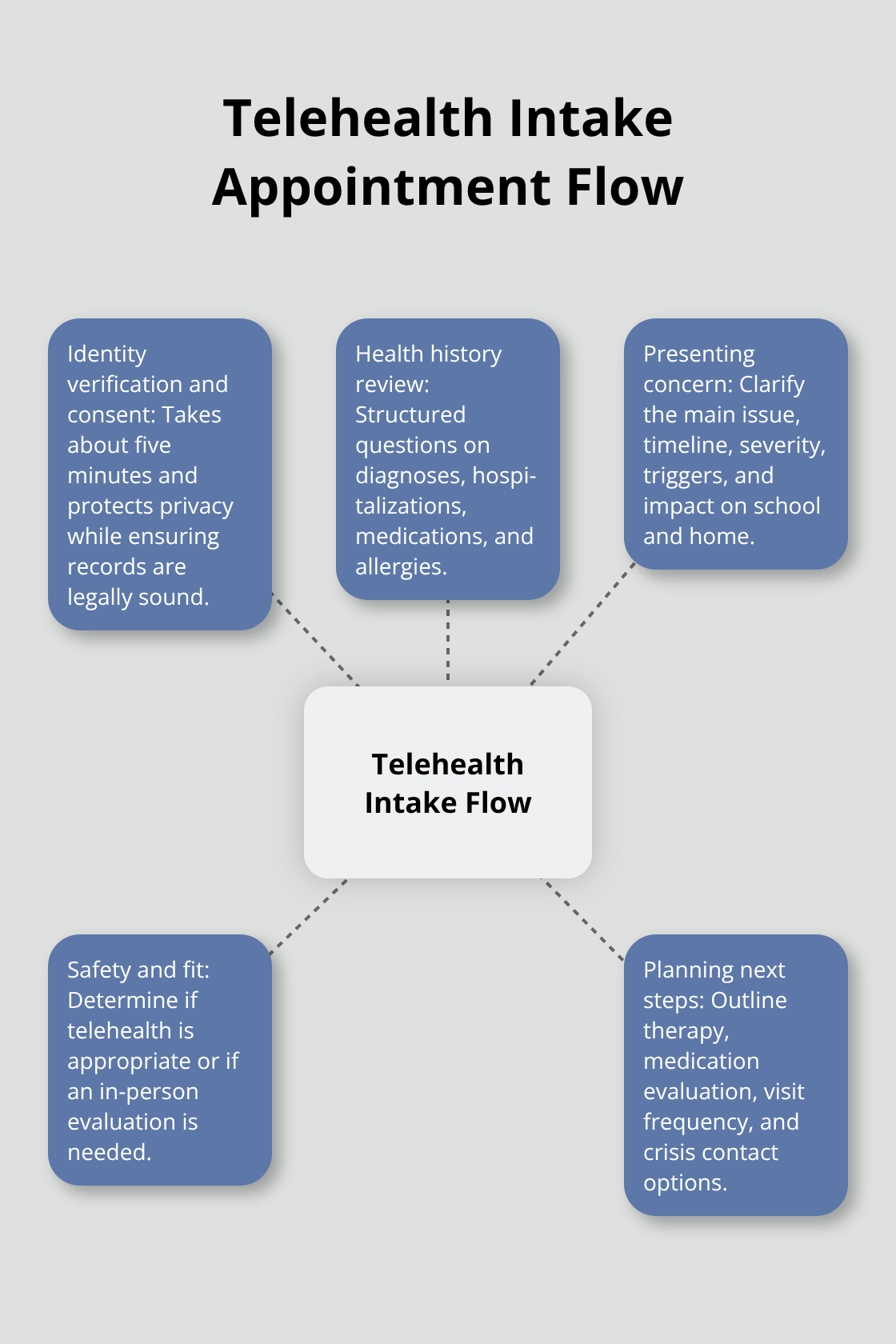
The intake appointment follows a predictable flow, though the conversation will feel different for every teen. Your provider starts by verifying identity and reviewing consent forms, which takes about five minutes. This step protects your teen’s privacy and ensures the medical record is legally sound. Next comes the health history review, where your provider will ask structured questions about past diagnoses, hospitalizations, medications, and allergies. Don’t assume your provider has access to previous records even if you uploaded them; they often haven’t reviewed them yet, so be ready to answer questions directly. Your teen should answer most of these questions themselves rather than you answering for them.
Providers listen not just to what teens say but how they say it-hesitation, vagueness, or difficulty articulating feelings tells the provider something important about your teen’s communication style and self-awareness.
Moving Past the Blank Stare
If your teen freezes up, the provider will ask more specific questions like whether sleep has changed, whether appetite is different, or whether concentration at school has shifted. These concrete anchors help teens move past the blank stare that often happens when asked open-ended questions about how they’re feeling. Your provider understands that teens sometimes struggle to translate internal experiences into words, so they adjust their approach based on what they observe. A teen who speaks in short answers might need more targeted questions. A teen who rambles might need gentle redirection toward the most pressing concern. Your provider adapts in real time rather than sticking to a rigid script.
Narrowing Down the Main Concern
Once medical history is covered, the conversation narrows to why your teen is there today. Your provider will ask about the main concern in one sentence, then explore the timeline and severity. If your teen reports anxiety, expect questions about when it started, what triggers it, how often episodes happen, and what your teen does to cope. If depression is the concern, your provider will ask about sleep patterns, appetite, energy levels, and whether your teen has thoughts of self-harm. These aren’t random questions; they follow diagnostic criteria that help your provider distinguish between conditions that look similar on the surface.
Your teen might mention multiple concerns-anxiety and sleep problems and social stress all at once. Your provider will prioritize, asking which one bothers your teen most right now, because treatment planning works better when you focus on what matters most rather than trying to fix everything at once. This is also when your provider determines whether telehealth can address your teen’s needs or whether in-person evaluation is necessary first. Severe symptoms, active safety concerns, or situations requiring physical examination get flagged for transition to in-person care.
Creating the Treatment Plan
Your provider will explain what they heard, check whether your teen agrees with their understanding, and outline a treatment approach. This might include weekly therapy sessions, medication evaluation, school coordination, or referral to a specialized program. Your provider will also discuss frequency of visits, what happens between appointments, and how to reach them if your teen is in crisis. Your teen should leave the appointment knowing exactly what to expect next week and what their role is in the treatment plan.
What Happens After Telehealth Intake
Your provider will send a summary of the visit to your patient portal within 24 hours, outlining what was discussed, any diagnoses identified, and the treatment plan moving forward. Review this summary with your teen so you’re both on the same page about next steps. If your provider recommended medication evaluation, you’ll schedule a follow-up appointment with a clinician who specializes in psychiatric medication management, and if therapy is the primary focus, your teen’s first therapy session typically happens within one to two weeks.
Your teen’s treatment plan will shift as your provider learns more through ongoing sessions. If your teen isn’t responding to the current strategy after four to six weeks, your provider will reassess and adjust the approach because what works for one teen doesn’t work for another. You’ll receive updates about your teen’s progress (the specifics depend on your teen’s age and your provider’s confidentiality policies), and your provider will involve you in treatment when appropriate, whether that means family therapy sessions, check-ins about how your teen is doing at home, or coordination with your teen’s school about academic support.
Completing telehealth intake steps marks the beginning of your teen’s mental health journey. We at The Teen Center offer specialized, evidence-based mental health care for adolescents ages 12 to 17, including individual and family therapy, medication management, crisis support, and academic coordination both in person and via telehealth. Visit The Teen Center to learn more about how we support teens and families across our statewide telehealth network.