Anxiety affects nearly 1 in 3 teenagers today, and it’s not something that gets better on its own. When left untreated, it can tank grades, wreck friendships, and make school feel impossible.
At The Teen Center, we’ve seen firsthand how the right teen anxiety treatment options can transform a struggling teen’s life. This guide walks you through what actually works, based on real evidence and real results.
Why Teen Anxiety Is Climbing and What’s Actually Driving It
The Scale of the Problem
Gen Z faces anxiety rates roughly four times higher than Baby Boomers experienced, according to research from Anderson et al. 2024 and Grelle et al. 2023. About 32 percent of youth meet criteria for anxiety disorders before age 18, and post-pandemic data show roughly 40 percent of US teens report anxiety symptoms. This isn’t a minor uptick-it’s a fundamental shift in adolescent mental health.
Academic Pressure and Social Media
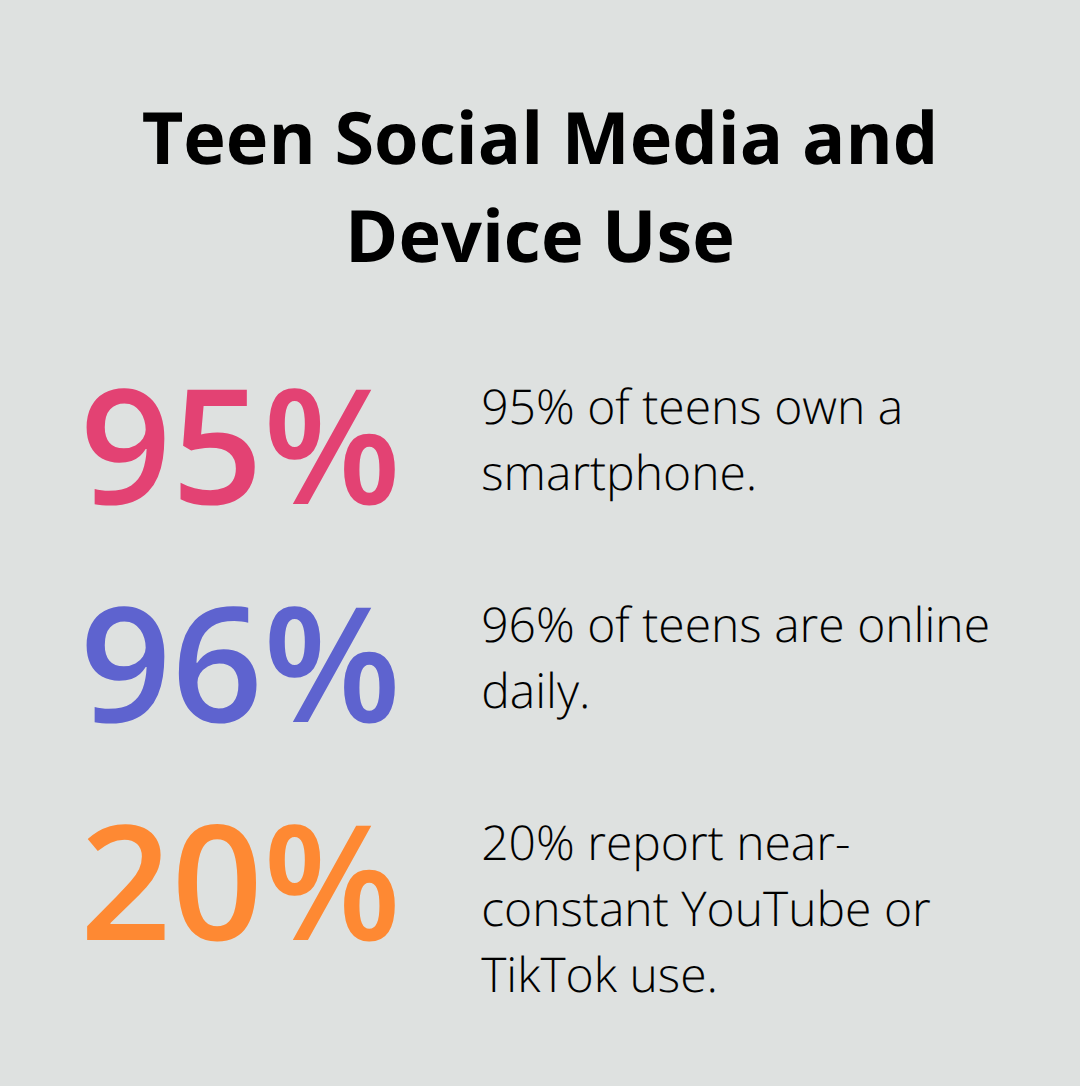
Academic pressure sits at the center of this crisis. A global synthesis of 52 studies found that 48 showed positive associations between pressure to perform and worse mental health outcomes, with risk factors including older age, female sex, and heavy study hours. Social media amplifies the problem. Ninety-five percent of teens own smartphones and 96 percent are online daily, with about 20 percent reporting near-constant YouTube and TikTok use.
While active, engaged online participation can sometimes protect mental health, passive scrolling consistently links to higher anxiety and depression rates.
Environmental Stressors
Climate-related worries weigh heavily on teens, and exposure to political and social uncertainty heightens distress. The COVID-19 pandemic worsened youth mental health considerably, with effects hitting marginalized groups and urban communities hardest.
The Cost of Untreated Anxiety
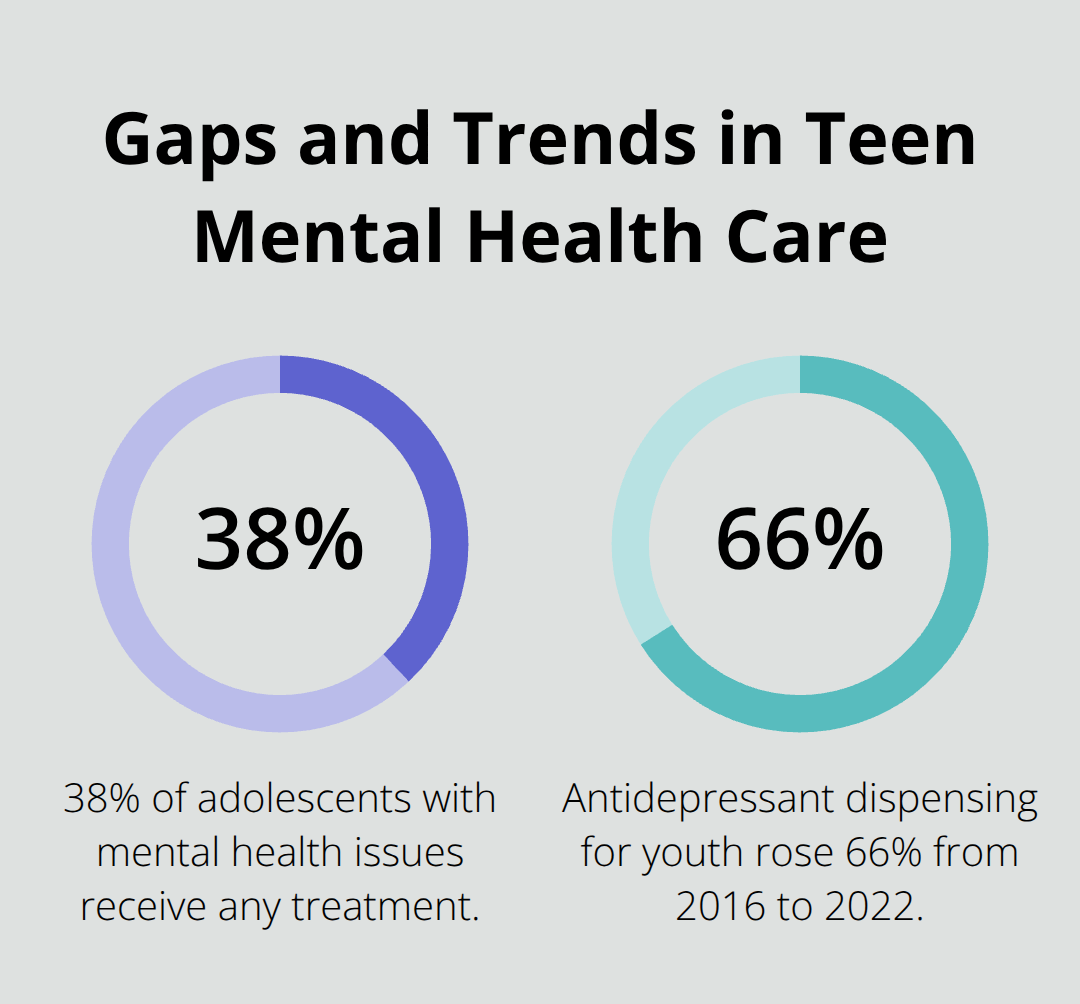
When anxiety goes untreated, the damage spreads fast. Anxious teens see their grades drop, their friendships collapse, and their ability to function in school disappear. About 30 to 40 percent of adolescents will experience an anxiety-related disorder, yet only 38 percent of children and adolescents with mental health issues receive any treatment whatsoever. Hospital admissions for suicidal teens have doubled over the past decade, underscoring the urgency of accessible care.
Why Treatment Works
Evidence-based treatment produces real results. Cognitive Behavioral Therapy produces marked reductions in anxiety symptoms, with between 55–60% of treated children with anxiety disorders improving significantly after receiving CBT. School-based treatments for social anxiety show promise too. Professional intervention matters because anxiety doesn’t resolve through willpower or time. Early detection and timely referral to mental health professionals in schools or primary care improve outcomes significantly. Creating safe spaces where teens feel comfortable discussing their struggles is foundational. Without intervention, anxious teens miss critical developmental windows and patterns calcify into adulthood. Understanding which treatment approaches actually work is the first step toward helping a struggling teen move forward.
Evidence-Based Treatment Approaches for Adolescents
Cognitive Behavioral Therapy: The Gold Standard
Cognitive Behavioral Therapy stands as the gold standard for teen anxiety treatment, and the evidence is unambiguous. CBT works because it teaches teens to recognize the thought patterns fueling their anxiety, challenge distorted thinking, and gradually face situations they’ve been avoiding.
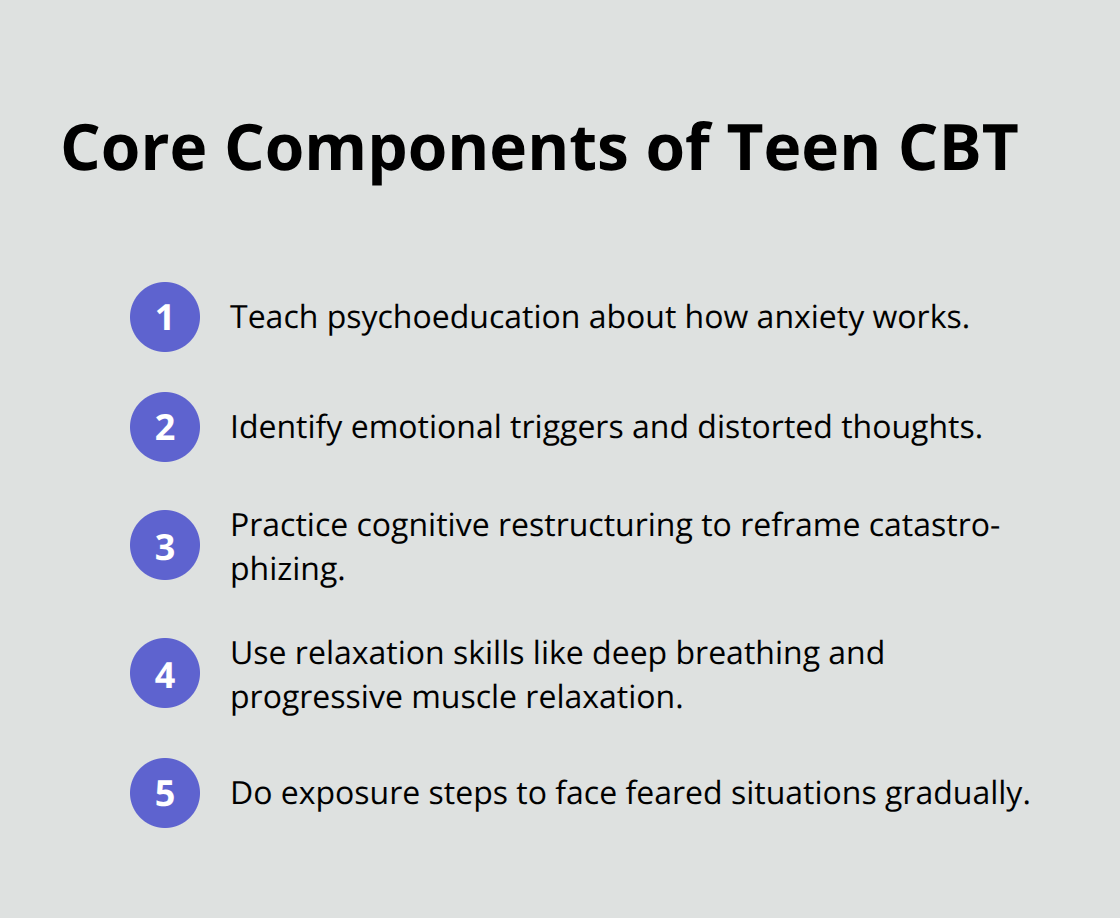
The core components include psychoeducation about how anxiety works, identifying emotional triggers, cognitive restructuring to reframe catastrophic thoughts, relaxation techniques like deep breathing and progressive muscle relaxation, and exposure-based work where teens confront feared situations in manageable steps. Cool Kids and Coping Cat are two evidence-based CBT programs with proven track records.
Cool Kids uses eight one-hour group sessions with core CBT elements plus bullying coping and social skills, while Coping Cat targets ages 7 to 13 with a structured approach to exposure work.
For younger adolescents, family-based CBT produces better outcomes than individual therapy alone because parents learn to stop reinforcing avoidance behaviors. The BRAVE online program and Cool Teens CD-ROM extend access beyond traditional therapy, making evidence-based treatment available to teens who can’t access in-person care.
Medication Management: When and How It Helps
When CBT alone doesn’t fully resolve symptoms, medication becomes relevant, though it requires careful consideration and monitoring. SSRIs like sertraline and fluoxetine are effective for adolescent anxiety disorders, and combining medication with therapy may offer added benefits beyond either approach alone.
Antidepressant dispensing for youth rose 66 percent between 2016 and 2022, reflecting both increased recognition of anxiety and depression and growing acceptance of medication as a treatment option. However, SSRIs require close monitoring for suicidality risk, especially in the first weeks of treatment, which is why medication management should happen within a specialized setting with regular follow-up.
Family Therapy and Parental Involvement
Family therapy directly addresses the parent-child dynamics that either fuel or ease anxiety. When parents validate a teen’s emotions first before jumping to reassurance, avoid over-reassurance that prevents teens from building confidence, celebrate brave steps toward facing fears, and maintain consistent expectations, teens recover faster.
Parents who reduce their own anxiety modeling and stop accommodating avoidance behaviors create an environment where teens develop genuine resilience rather than temporary relief. Attachment-Based Family Therapy specifically targets underlying relational wounds and parent-teen disconnection that can underlie anxiety, making it valuable when anxiety stems partly from family conflict or attachment disruption.
The Power of Combined Treatment
The combination of individual CBT, medication when needed, and active family involvement produces the strongest outcomes because it addresses anxiety from multiple angles simultaneously. This multi-modal approach recognizes that teen anxiety rarely stems from a single cause-it involves thought patterns, brain chemistry, family dynamics, and environmental stressors all working together. When treatment targets all these dimensions at once, teens build lasting skills and resilience that extend far beyond the therapy room.
How The Teen Center Builds Treatment Around Each Teen
Assessment That Captures the Full Picture
Anxiety treatment fails when it treats all teens the same way. A socially anxious freshman needs something completely different from a panic-prone senior or a teen with OCD rooted in trauma. We at The Teen Center start with a thorough assessment using validated tools like the Anxiety Disorders Interview Schedule for Children, which gathers input from the teen, parents, and teachers to paint a complete picture. This multi-informant approach matters because teachers often miss internalizing problems that parents and teens report clearly. Once we understand what’s actually driving the anxiety-whether it’s academic pressure, social dynamics, trauma, or a mix-we build a treatment plan that addresses those specific triggers rather than applying a generic CBT template to everyone who walks through the door.
Tailored Plans That Match Each Teen’s Needs
Individualized plans mean different things for different teens. One teen might need primarily exposure-based CBT targeting specific social situations, while another needs family therapy to address anxious parenting patterns that reinforce avoidance. We integrate therapy sessions with active family involvement because research shows parental coaching produces better outcomes than therapy alone, particularly for younger adolescents. Parents learn concrete skills like validating emotions without over-reassuring, which prevents the cycle where reassurance-seeking actually strengthens anxiety.
Coordinating Care Across School and Home
Academic coordination happens simultaneously because untreated anxiety tanks grades, and falling grades worsen anxiety in a destructive spiral. We work directly with schools to arrange accommodations like extended time on exams or breaks during the school day, then gradually phase them out as anxiety improves so teens build genuine confidence rather than dependence on accommodations. This coordinated approach ensures that therapy progress translates into real improvements at school.
Removing Geographic Barriers to Care
Telehealth access across the state means a teen in a rural area receives the same quality assessment and individualized planning as one in an urban center, eliminating geography as a barrier to specialized care. This matters because only 38 percent of adolescents with mental health issues receive any treatment, and access gaps disproportionately affect teens outside major cities.
The combination of tailored assessment, flexible delivery formats, and coordinated support across therapy, family, and school creates the conditions where teens actually recover rather than simply manage symptoms until adulthood.
Final Thoughts
Teen anxiety treatment options work when they match what actually drives a teen’s distress. Evidence shows that cognitive behavioral therapy produces marked symptom reduction, family involvement accelerates recovery, and medication management helps when therapy alone falls short-with 55 to 60 percent of teens improving significantly after receiving evidence-based treatment. When parents stop accommodating avoidance and start validating emotions without over-reassuring, teens move from temporary relief to lasting change.
Assessment reveals what’s happening beneath the surface and determines which approach will help most. Academic pressure, social dynamics, trauma, family conflict, or a combination of these factors all require different treatment paths, which is why generic solutions fail. The Teen Center delivers specialized, evidence-based mental health care for adolescents ages 12 to 17, combining individualized treatment plans with family involvement and statewide telehealth access to remove geographic barriers entirely.
Your teen’s anxiety didn’t develop overnight, and recovery won’t happen instantly either, but evidence-based treatment produces real, measurable improvement within weeks. The question isn’t whether treatment works-the question is whether you’ll take the step to connect your teen with the right support today.